
Season 2 Guide
The Best Guide to Last War Season 2 Week 2: Polar Dishes, Beast Crisis, and Level Swap
A complete Last War Season 2 Week 2 guide covering Polar Dishes ingredient strategy, Beast Crisis furnace defense, Coal and Titanium Alloy rewards, and the best use of Level Swap tickets.

Last War Season 2 Week 2 shifts Polar Storm away from pure setup and into reward optimization. This is the week where smart players start converting daily discipline and alliance coordination into large amounts of Coal, Titanium Alloy, and roster power.
This Last War Season 2 Week 2 guide breaks the week into three major systems: Polar Dishes for consistent Coal value, Beast Crisis for alliance-scale defense rewards, and Level Swap for immediate roster optimization. If you handle all three well, your High-heat Furnace progress and overall account efficiency improve much faster than they did in Week 1.
Key takeaways
- Polar Dishes should be treated as a daily Coal routine because desired dishes give the best long-term value.
- The fifth daily chest matters most because it gives an Ingredient Choice Box that helps complete the exact recipe Snowflake wants.
- Beast Crisis is an alliance execution check, and re-garrisoning after squads get kicked out is one of the most important success details.
- If you still have old Level Swap Tickets from Season 1, Week 2 is one of the best times to use them on a stronger UR hero.
Season 2 Week 2 Overview: Why This Week Matters
Week 2 in Polar Storm is not just another collection of side events. It is a very practical progression week built around resource acceleration, alliance coordination, and cleaner roster management. Players who stay organized here build a much stronger base for the harder seasonal pressure that follows.
The main reason this week is so valuable is simple: it gives several different ways to secure Coal and Titanium Alloy without relying on only one activity. Polar Dishes adds reliable daily value, Beast Crisis creates a major alliance reward window, and Level Swap lets you upgrade your real combat lineup without rebuilding a hero from scratch.
- Use Week 2 to stabilize daily Coal income instead of spending everything reactively.
- Coordinate event timing with your alliance because Beast Crisis rewards depend on execution, not just raw power.
- Treat hero optimization as part of season progression, not a separate system.
1. Polar Dishes Event: How It Works
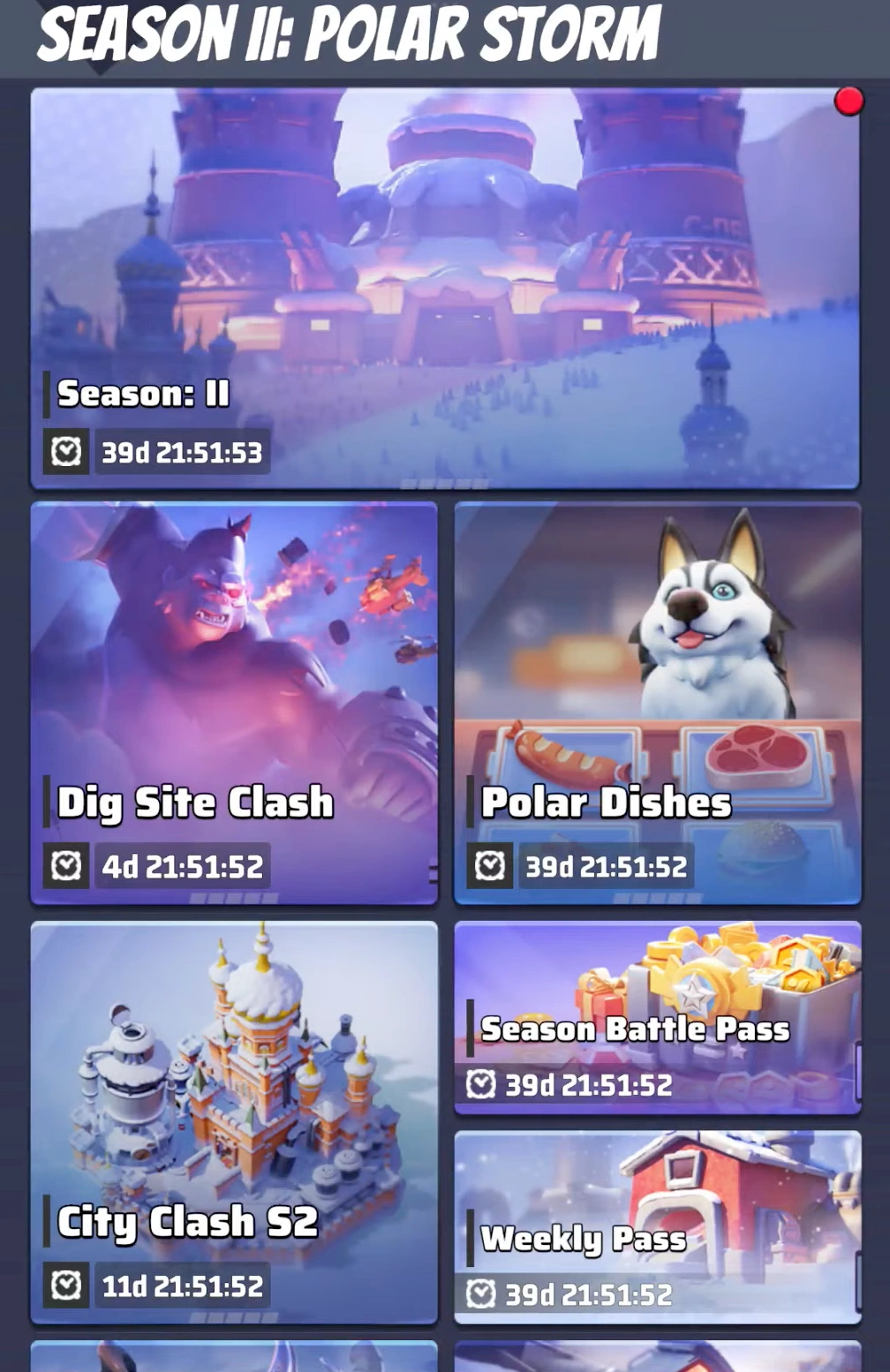
The Polar Dishes event begins on the first day of Season 2 Week 2 and continues through the rest of Season 2. The event revolves around collecting ingredients, checking Snowflake's requested recipe, and cooking the correct dish for the best reward chest.
At a basic level, the system is simple: gather ingredients through daily play, look at the Recipe button in the event menu, and combine the right ingredients to match the dish Snowflake currently wants. The difference between doing this casually and doing it efficiently is the size of your Coal payout over the course of the season.
- Check Snowflake's current request before opening choice items or trading ingredients.
- Do not assume every recipe has equal value, because desired dishes pay more.
- Think of ingredients as conversion material for Coal, not as collectibles to hoard forever.
| Ingredient | What It Covers | Main Source |
|---|---|---|
| Flour | Baking and dough-based recipes | Daily task chests |
| Meat | Protein-heavy dishes | Daily task chests |
| Milk | Special dog-focused dairy recipes | Daily task chests |
| Veggies | Vegetable and fruit recipes | Daily task chests |
2. Polar Dishes Ingredient Strategy and Daily Routine
Your primary source of ingredients is daily task progression. That means the best Polar Dishes strategy is not a special farming trick, but a reliable daily routine that ensures you finish all five daily task chests consistently.
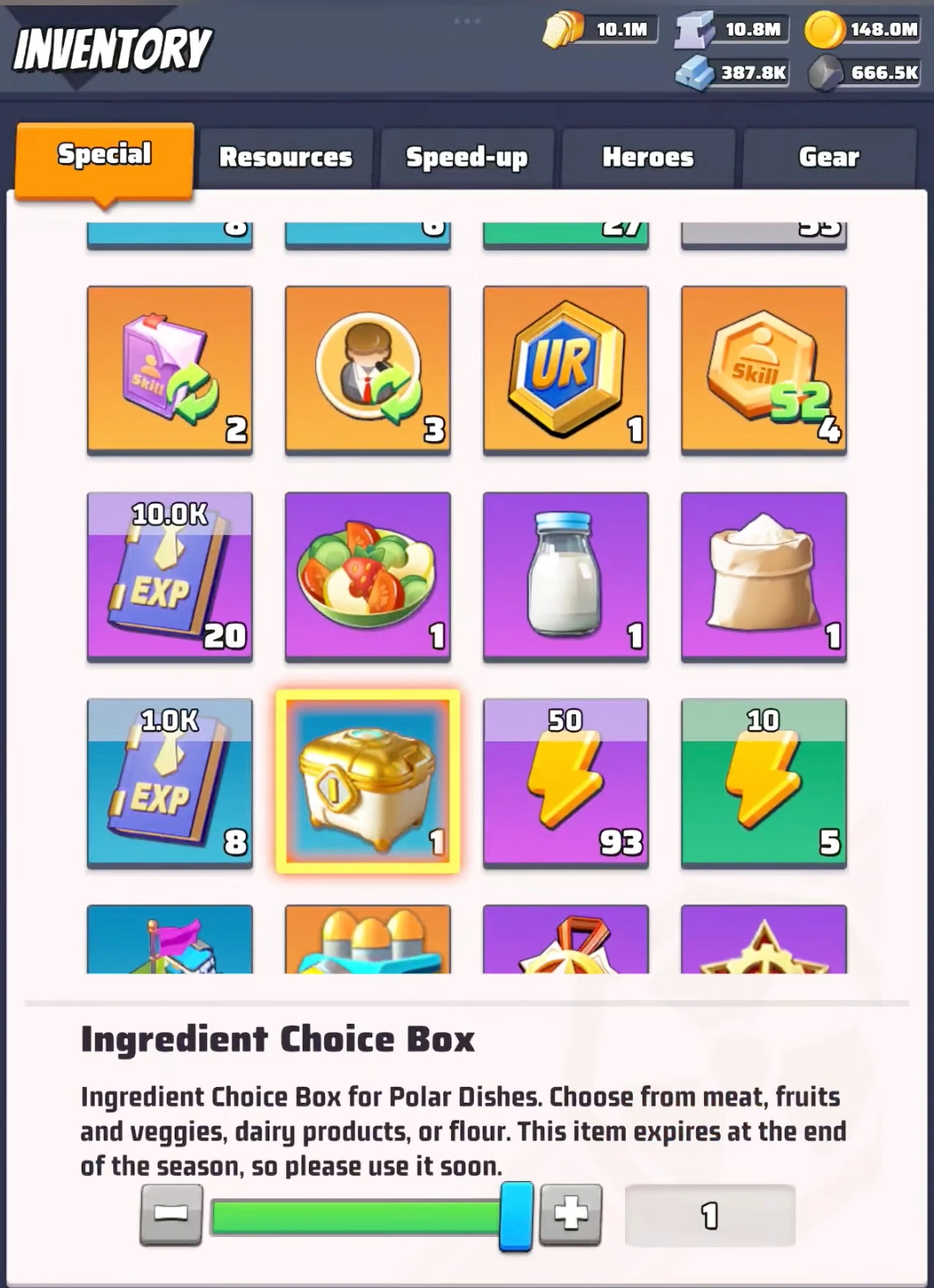
The fifth chest is especially important because it gives an Ingredient Choice Box. Unlike normal drops, this box does not open by itself. You need to go into your Inventory, open the Special tab, use the box manually, and then choose the exact ingredient your current recipe still needs. That last step is where a lot of players quietly lose value by opening items carelessly or forgetting the box altogether.
- Finish all 5 daily task chests every day if you want steady recipe completion.
- Open the Ingredient Choice Box only after checking the active recipe requirement.
- Use the Special inventory tab to manually claim the exact missing ingredient.
3. Trading Ingredients and Maximizing Dish Rewards
If your ingredient drops are uneven, the alliance trading menu is the system that fixes the problem. The Trade Ingredients button lets you post what you have too much of and look for what allies are offering in return. Used well, this is the fastest way to turn awkward inventory into a correct recipe instead of settling for a lower-value random dish.
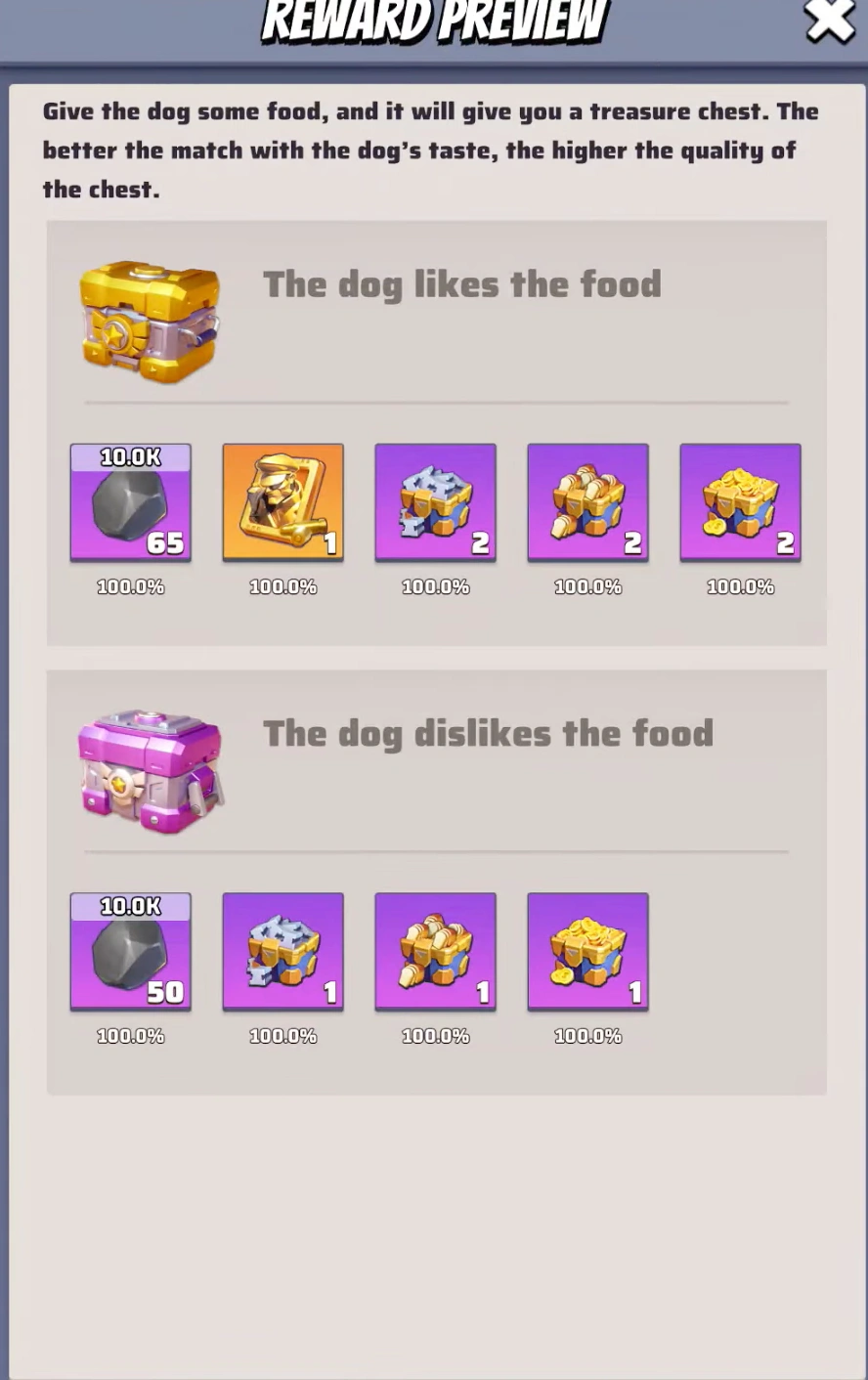
The best outcome is feeding Snowflake the exact requested dish. When the game says the dog likes the food, you receive the higher-tier gold chest. Random dishes still give useful Coal and resources, so leftover ingredients should still be cooked rather than wasted, but the main target should always be the desired recipe first.
- Trade before cooking if one ingredient is blocking a desired recipe.
- Even disliked food is still worth crafting because the Coal payout matters.
- Use random dishes only after you have exhausted your chance to hit the requested recipe.
| Dish Outcome | Main Rewards | Best Use |
|---|---|---|
| Desired recipe | 650,000 Coal, 1 Universal Exclusive Weapon Shard, 2 Epic Resource Chests | Always prioritize this result first |
| Unwanted recipe | 500,000 Coal and Epic Food, Iron, and Gold resource chests | Use leftover ingredients so nothing goes to waste |
4. Beast Crisis Event: Core Mechanics and Rewards
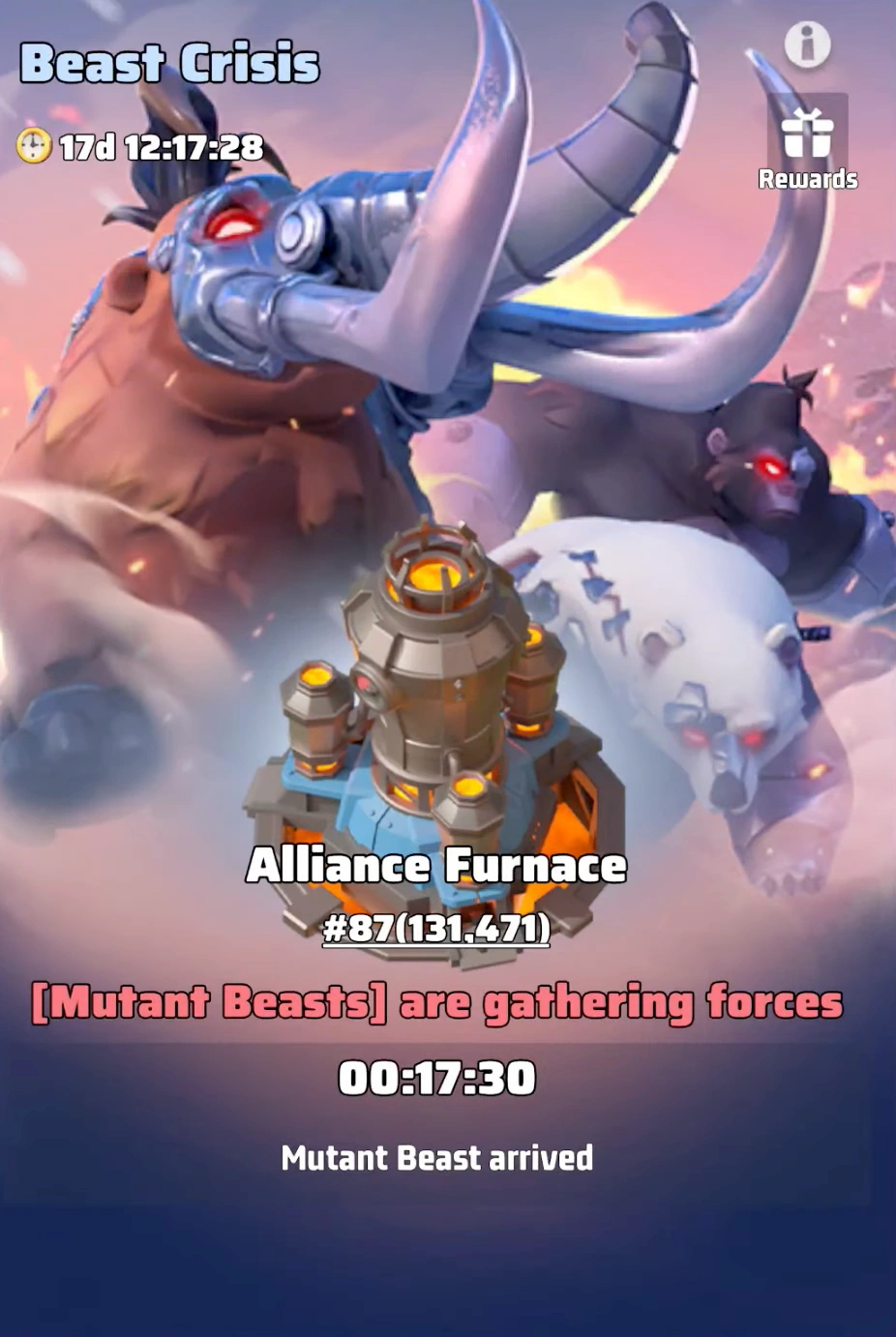
Beast Crisis is one of the most alliance-dependent events in Season 2 Week 2. It runs for 18 days and functions similarly to Zombie Siege, but inside the Polar Storm context it becomes even more important because the reward pool includes both Coal and Titanium Alloy.
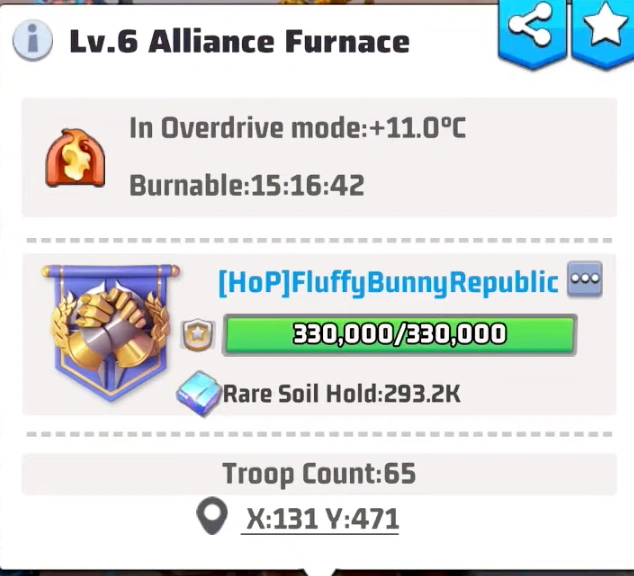
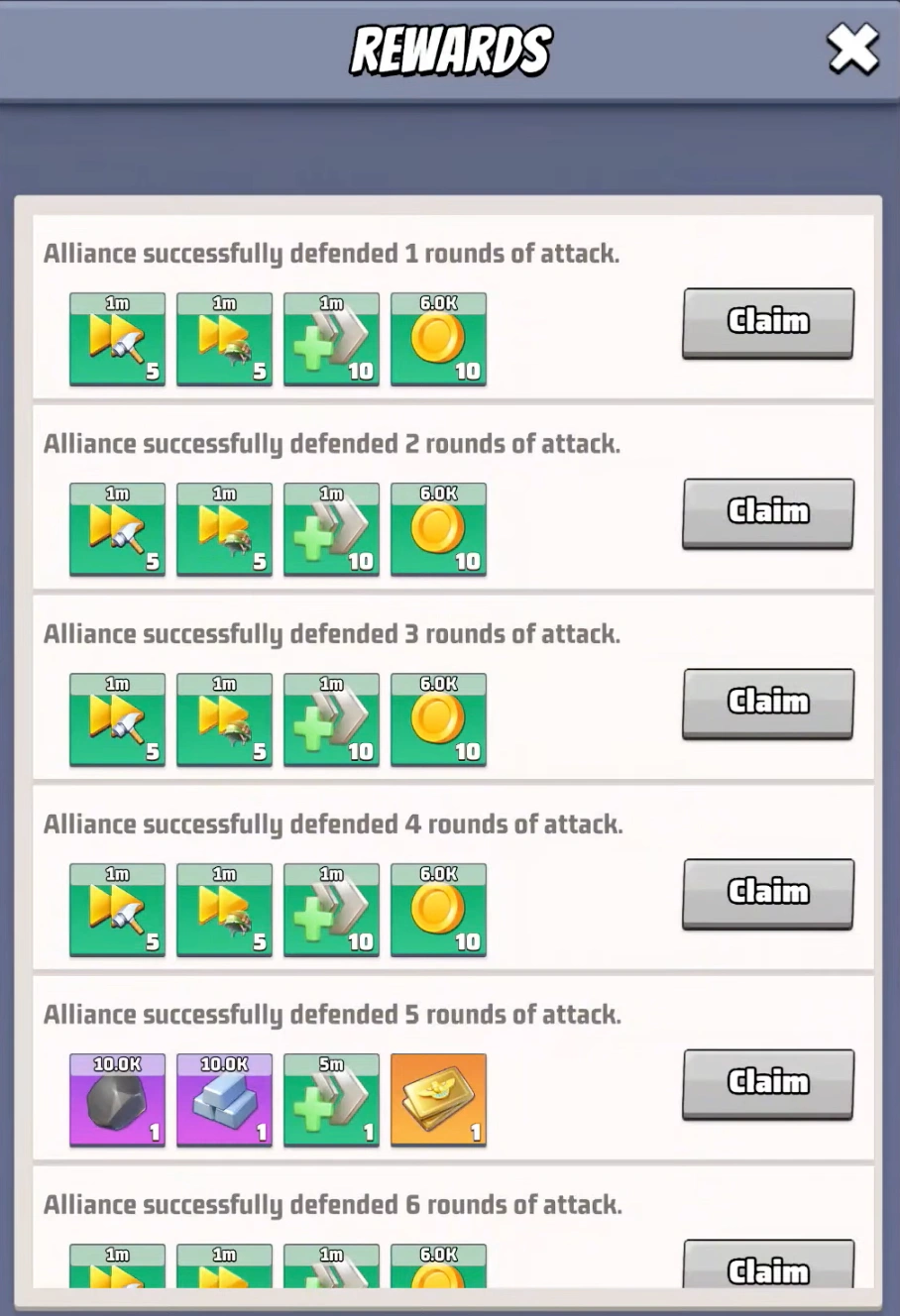
During the event, waves of Mutant Beasts attack your Alliance Furnace. There are 30 total waves, and the alliance needs to keep the furnace standing through the entire sequence. If you succeed, the rewards include Gold, Speedups, Coal, and Titanium Alloy, which makes this one of the best cooperative progression windows of the week.
- Expect 30 waves, not a short burst event.
- This is a reward event and a coordination check at the same time.
- Titanium Alloy makes Beast Crisis especially valuable for Furnace progression.
5. Beast Crisis Defense Strategy: Garrison Discipline Wins
To clear Beast Crisis cleanly, your alliance should treat the Alliance Furnace like a live objective that needs constant attention for the full event duration. Everyone who can participate should send their strongest squad to garrison before the countdown finishes, because later waves punish weak coverage very quickly.
The most important mechanic to understand is squad ejection. After certain waves, squads that are defeated or heavily weakened may be kicked out of the furnace automatically. This means the defense is not truly passive. Players and leadership need to watch the map and re-send their best squad immediately if they get removed, otherwise the furnace becomes easier to break in later waves.
If furnace durability drops to 0, the Alliance Furnace turns into ruins and the alliance effectively fails the rest of the event. That makes re-garrison speed more important than casual participation. A strong alliance that watches the event closely will outperform a stronger-on-paper alliance that assumes the garrison will hold by itself.
- Pre-fill the Alliance Furnace with your best squads before the event starts.
- Watch for automatic squad ejection and re-garrison immediately.
- Do not leave the furnace unattended during later waves if your alliance wants full rewards.
6. Beast Crisis Participation, Targeting, and Reward Claims
One detail that confuses many players is the targeting and ranking display during Beast Crisis. Not every alliance member will necessarily be directly attacked by the Mutant Beasts, and not everyone will appear on the visible ranking in the same way.
That is normal. For example, an alliance may have far more players garrisoning the furnace than the number of players directly targeted during the battle. Even if only part of the alliance shows up in the attack records, everyone who actively participated in the garrison can still collect the tier rewards after the event ends. The important thing is contribution to the furnace defense, not whether you personally got highlighted by the combat log.
- Do not panic if only some players appear to be getting attacked.
- Participation rewards are broader than the visible attack list suggests.
- Focus on keeping the furnace alive, because that is what unlocks the meaningful rewards.
7. Level Swap Event: The Best Week 2 Hero Optimization Tool
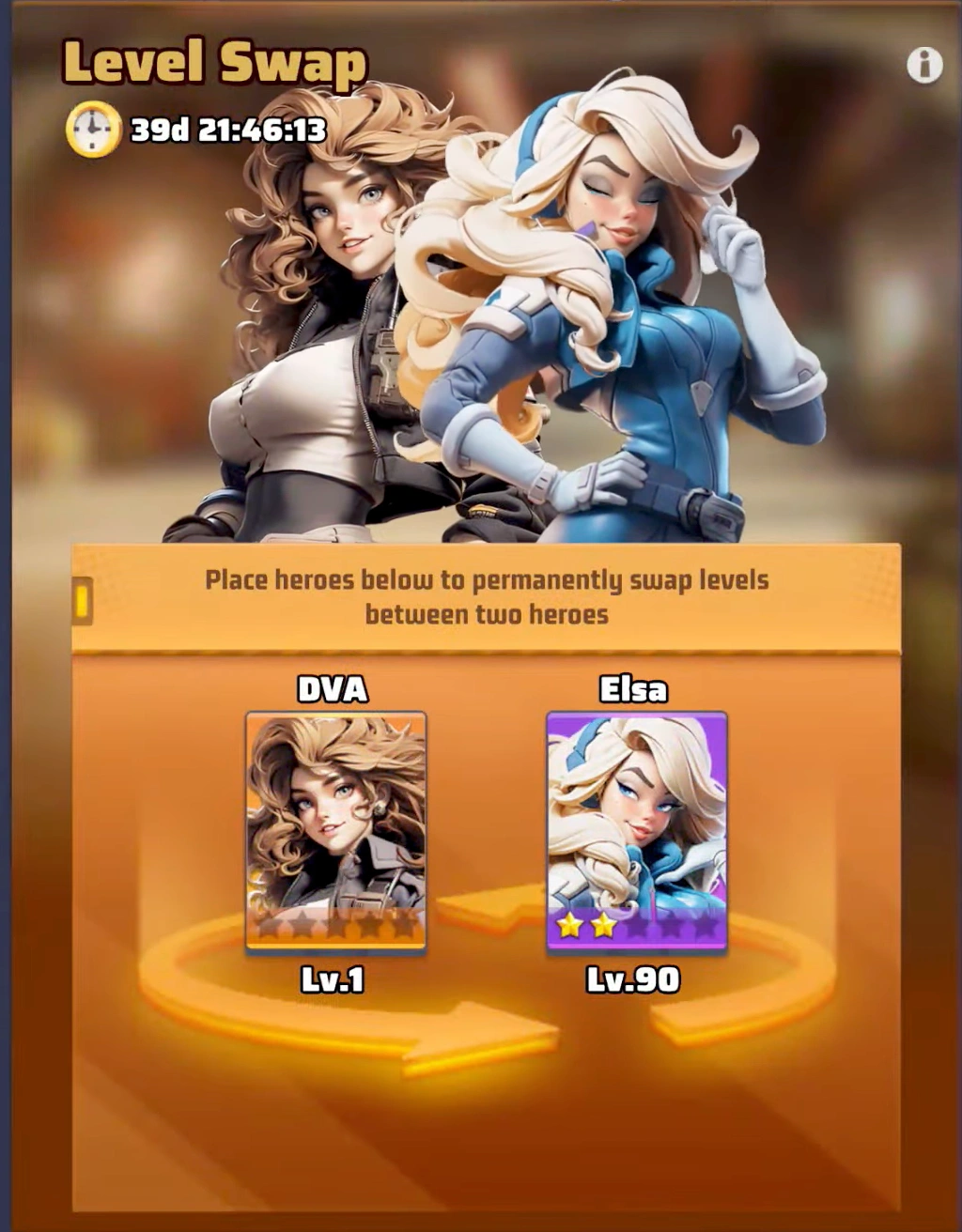
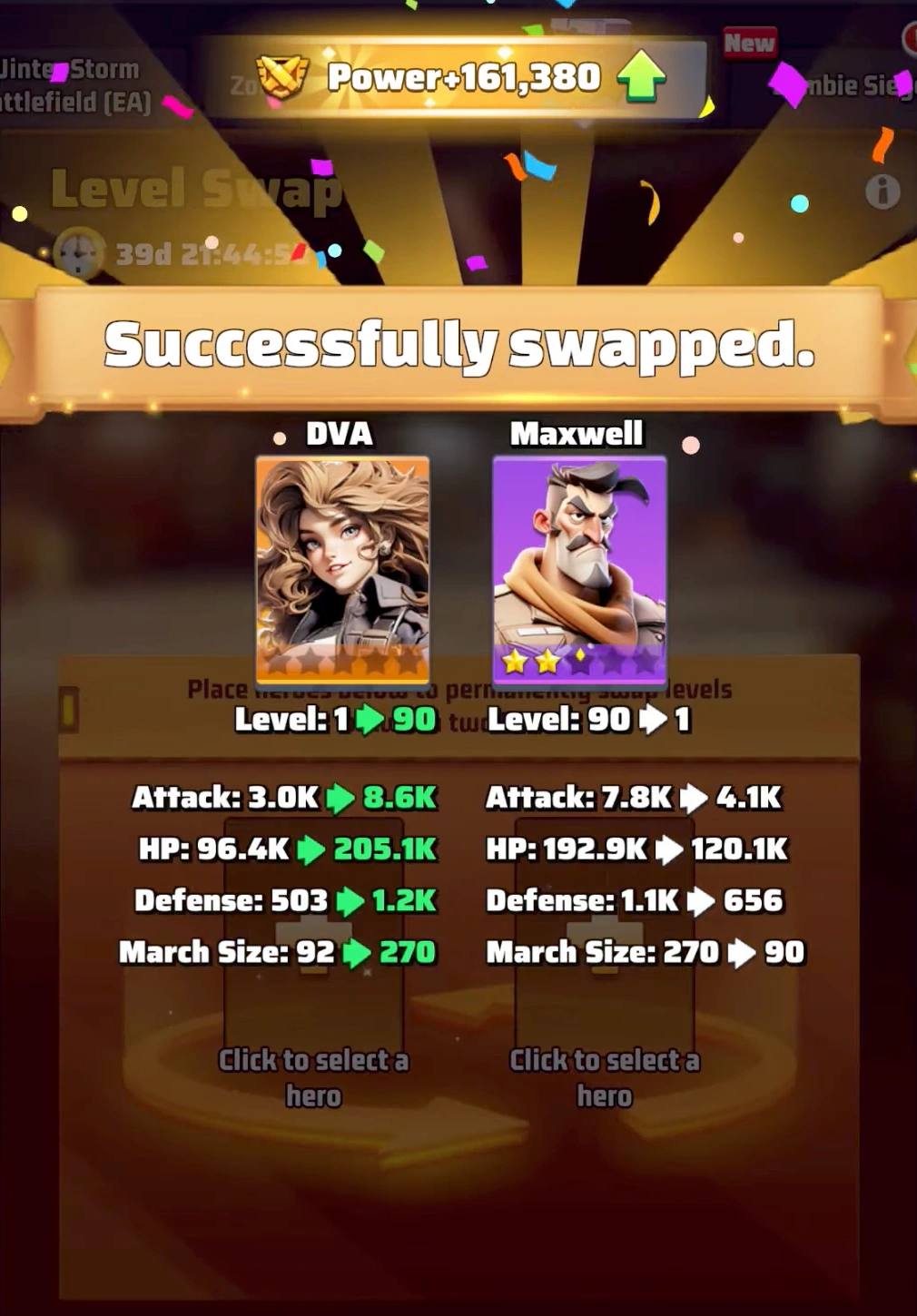
The Level Swap event returns in Week 2 and gives you a direct way to improve your active lineup without repeating the full EXP grind. The feature lets you permanently swap the levels and base combat attributes of two heroes, including the practical stats that matter for immediate battle performance.
This is especially strong when you have a newly acquired UR hero that deserves frontline use, but your EXP is still tied up inside an older SSR hero you no longer use. Instead of slowly rebuilding from zero, you can move that investment onto the stronger hero and bring them into real combat much faster.
- Use Level Swap to move investment from a benched SSR hero into a stronger UR hero.
- The swap affects level-based combat value immediately, including attack, HP, defense, and march size.
- This is one of the cleanest ways to upgrade your roster without wasting old EXP investment.
8. Level Swap Ticket Warning for Season 2
A key Week 2 warning is that players have reported not receiving new free Level Swap Tickets during this phase of Season 2. Whether that remains true for every server or not, the safe assumption is that you should check your current inventory instead of waiting for an extra free ticket to appear.
If you saved Level Swap Tickets from Season 1, they still work. That makes Week 2 a perfect time to open your Special inventory items, confirm what you still have, and use those saved tickets on a hero change that actually improves your main march for Polar Storm.
- Check your inventory before assuming you can earn another free ticket this week.
- Old Season 1 Level Swap Tickets remain usable if you saved them.
- Use limited swap tickets only on heroes that truly improve your primary lineup.
Final Week 2 Strategy for Polar Storm
Season 2 Week 2 rewards players who connect daily efficiency with alliance discipline. Polar Dishes improves your daily Coal flow, Beast Crisis turns alliance coordination into progression materials, and Level Swap helps your best heroes actually keep pace with the seasonal difficulty curve.
If you want a simple Week 2 rule set, it is this: clear all daily task chests, trade ingredients before settling for weak dishes, schedule Beast Crisis participation with your alliance, and spend saved Level Swap Tickets only where they improve your real combat roster. That approach gives you much more value than treating each event as a separate mini-game.
- Max out daily task progress so Polar Dishes becomes a reliable resource engine.
- Coordinate Beast Crisis like a real alliance defense event, not a background task.
- Use Level Swap to strengthen the heroes you actually field during Polar Storm.
Keep reading
More Season 2 guides
Previous guide
Season 2 Week 1 Guide
A complete Last War Season 2 Week 1 guide covering Polar Storm basics, Coal and Titanium Alloy farming, High-heat Furnace priorities, blizzard survival, alliance contributions, and early map expansion.
Next guide
Season 2 Week 3 Guide
A complete Last War Season 2 Week 3 guide covering Violet's UR promotion, Legendary Hero Badge requirements, shard farming strategy, Frost Boost synergy, and the key SSR versus UR stat upgrades.