
Season 2 Guide
The Ultimate Last War Survival Season 2 Guide: Polar Storm Tips, Rare Soil War, and Alliance Strategy
A complete Last War Survival Season 2 guide covering Polar Storm goals, early advantage preparation, Coal and Titanium Alloy, High-heat Furnace strategy, Day 1 optimization, alliance expansion, Rare Soil War phases, and the full Week 1 to Week 8 roadmap.
Last War Survival Season 2: Polar Storm is a very different season from the base game and from Season 1. Survival is no longer just about troop power and rally timing. The season revolves around temperature control, Virus Resistance, seasonal buildings, map expansion, alliance coordination, and the long-term race for Rare Soil and influence points.
This Season 2 guide is designed as the main overview article for players who want to understand the whole season quickly. It combines the most useful lessons from the provided strategy images with the broader Season 2 weekly structure, so you can see both the opening-week priorities and the mid-to-late-season systems that decide alliance rank, Rare Soil income, and final rewards.
Key takeaways
- The main objective of Season 2 is to collect as much Rare Soil as possible because Rare Soil becomes influence points, alliance rank, and better season-end rewards.
- Your High-heat Furnace is the most important seasonal building because it controls temperature survival and Virus Resistance, which gates both PvE and map progression.
- The strongest Season 2 starts come from efficient Coal and Titanium Alloy management, planned Dig Site captures, and correct alliance positioning on the map.
- Rallies, the Alliance Furnace, recon warming, and shared Dig Site income make Season 2 much more alliance-dependent than many players expect.
- Rare Soil War from Week 4 onward becomes the defining PvP and ranking system, so opening-week efficiency matters because it sets up your alliance for the harder middle phase of Polar Storm.
Part 1: What Is the Real Goal of Last War Survival Season 2
The first image makes the season objective very clear: Season 2 is ultimately a race for influence points, and those influence points come from collecting Rare Soil. Alliances generate Rare Soil by conquering Cities and Dig Sites, and higher-level objectives produce more. That means map control is not cosmetic. It is the economic engine that decides who scales fastest and who reaches the best reward bracket.
The second layer of this goal is Rare Soil War. Normal expansion gives steady seasonal income, but Rare Soil War creates the biggest swings because alliances can gain much larger amounts of Rare Soil through scheduled conflict. By the time Season 2 reaches its later weeks, alliances that understand both passive production and war timing usually pull ahead of alliances that only focused on random PvP or isolated growth.
For individual players, this means your job is not just personal account growth. You want to grow in ways that help the alliance claim Dig Sites, hold Cities, keep furnaces active, survive blizzards, and win the major Rare Soil weeks. Season 2 rewards coordinated usefulness much more than solo stat chasing.
- Rare Soil is the real seasonal currency because it converts into alliance influence and better settlement rewards.
- Cities and Dig Sites are your passive production base, while Rare Soil War is your biggest swing mechanic.
- Judge every upgrade and daily decision by one question: does it help your alliance survive, expand, and collect more Rare Soil?
Part 2: Best Preparation for an Early Advantage
The preparation image focuses on one big truth: players who enter Season 2 with a plan snowball much harder than players who react after the season starts. If you spend, the most impactful paid acceleration mentioned in the image is the Season 2 Battle Pass, Weekly Pass, and Coal Pack because they speed up your opening Furnace pace and resource flow.
The image also highlights three preparation ideas that matter even for lighter spenders. First, buy Violet, Mason, and universal Epic shards from stores before or during the opening stretch if you plan to use UR upgrade events efficiently. Second, preserve Hero Return Tickets instead of wasting them late in Season 1, because even a small amount of Coal or Titanium Alloy in the first days of Season 2 creates meaningful momentum. Third, ask your alliance leadership to prioritize the alliance tech Veteran Craftsman so seasonal building costs drop across the whole alliance.
There are also two account-value notes in the image worth treating as optional optimizations rather than mandatory rules. The Ice Castle Base Skin helps at high temperatures and adds combat stats, while the Tower of Victory decoration adds extra temperature points as it levels. These are useful, but they matter less than resource discipline and Furnace progression. The highest practical value callout is still Violet: once your Furnace reaches Level 30 and Violet is already at 5 stars, you can promote her to UR, after which she resets to 3 stars and returns 350 Violet shards plus refunded ability points when applicable.
- Save or redirect account value toward Violet, Mason, universal Epic shards, and Hero Return Tickets if you want a stronger Season 2 opening.
- Ask R4 and R5 leaders to prioritize Veteran Craftsman because seasonal building discounts help the whole alliance.
- Treat Violet UR as one of the most important long-term Season 2 hero milestones once your Furnace reaches Level 30.
Part 3: Featured Season 2 Unlock Visuals
The same Season 2 tip sheet also highlights three visual milestones that players care about early: the Ice Castle Base Skin, the Tower of Victory decoration, and the UR Violet promotion moment. These are not the core reason you win Season 2, but they are useful visual reference points for understanding which optional boosts, cosmetics, and progression spikes the early-season community tends to value.
The Ice Castle Base Skin is presented as an optional purchase with utility at high temperatures plus a small attack and defense boost. Tower of Victory is shown as a decoration that improves temperature by level, making it part of the broader heat-management conversation. Violet's UR promotion is the biggest gameplay upgrade of the three because it is tied directly to Furnace Level 30 and one of Season 2's strongest hero progression spikes.
- Ice Castle Base Skin is an optional premium utility and stat item, not a mandatory progression requirement.
- Tower of Victory supports temperature management and becomes more useful as its level increases.
- UR Violet is the most impactful of the three because it changes real combat strength, not just convenience.

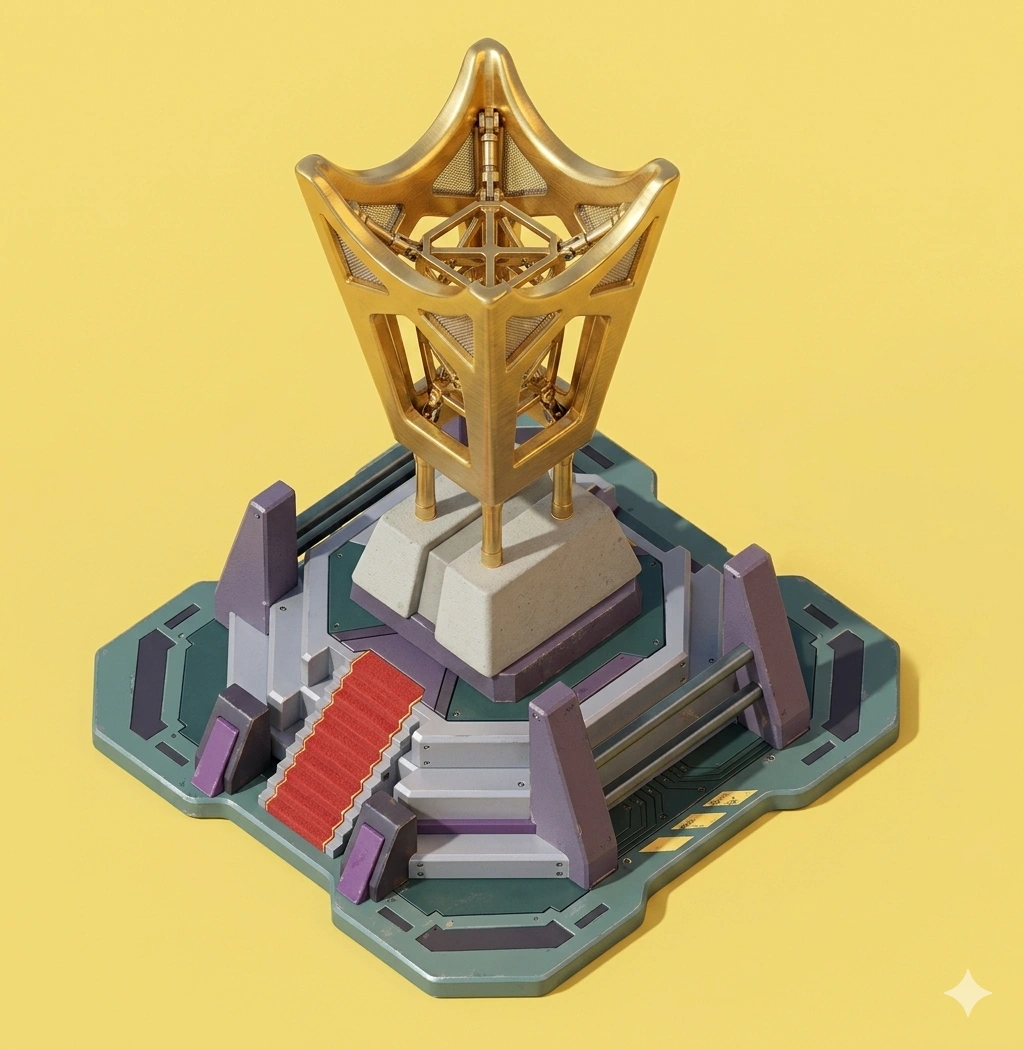

Part 4: Coal, Titanium Alloy, and the High-heat Furnace
The resource image explains the central survival loop of Season 2. Polar Storm is defined by freezing temperatures, so your High-heat Furnace becomes the building that lets your base function safely. The Furnace consumes and depends on seasonal resources, but it also increases both temperature resistance and Virus Resistance, which means it is tied directly to survival and combat readiness.
Titanium Alloy is mainly your Furnace growth resource. The image lists Titanium Alloy Factory production, Furnace upgrades, first-kill rewards from Zombies and Elite of the Damned, Titanium resource fields, passes, main task rewards, Hero Return Recruitment Tickets, and personal or alliance goals as key sources. Coal has a slightly broader job because it supports the seasonal economy, heating pressure, and alliance systems. The image points to Dig Site conquest, Zombie and Elite first kills, passes, Coal fields, hero recruitment tickets, goals, and distressed survivor radar missions as major sources.
The practical lesson is that you should not treat Coal and Titanium Alloy the same way. Titanium Alloy is your cleanest path into stronger Furnace levels. Coal is your daily operating fuel that keeps multiple systems functioning. If you run out of Titanium Alloy, your growth stalls. If you run out of Coal, your survival and alliance support start to break down. Efficient Season 2 players build routines for both instead of overfocusing on just one.
- Upgrade the High-heat Furnace aggressively because it improves both temperature safety and combat viability.
- Protect passive Titanium Alloy production instead of relying only on burst rewards.
- Treat Coal as your daily operating resource, not just a spare seasonal currency.
| Resource | Main Job in Season 2 | Important Sources |
|---|---|---|
| Titanium Alloy | Upgrade the High-heat Furnace and accelerate Virus Resistance growth. | Titanium Alloy Factories, first-kill PvE rewards, Titanium fields, passes, goals, and Hero Return Tickets. |
| Coal | Support heating, seasonal upkeep, alliance support, and general Polar Storm momentum. | Dig Sites, first-kill PvE rewards, passes, Coal fields, goals, recruitment tickets, and distressed survivor radar missions. |
Part 5: Day 1 Strategy and Opening-Week Optimization
The fourth and fifth images contain the most actionable opening-week advice. Start Season 2 with stacked radar missions if possible so you can look for a distressed survivor reward that grants Coal immediately. If your alliance spawn position is poor, or if hostile neighbors will block your pathing, relocating the alliance early can be worth it so you can route toward better Dig Sites and future Level 6 Cities.
The guide image also recommends planning your first Dig Site before random attacking begins. This matters because different mutant beasts have different weaknesses, and because your first Dig Site is not just a battle target. It unlocks steady alliance Coal. Another strong tip is to avoid doing Doom Walker content after reset on the day your server receives Season 2. Wait until Season 2 is active, then kill the highest level Doom Walker or seasonal PvE target you can clear for the first-kill reward. The same logic applies to smaller Zombies: always try to claim the highest-level first-kill rewards your account can safely manage.
Factory sequencing is another major optimization. The image recommends pushing each Titanium Alloy Factory only to Level 15 first, because reaching Level 15 unlocks the next factory. Once all base factories are unlocked, upgrade them in waves, such as all to Level 16, then all to Level 17, and so on. If you have the extra paid factory from the Weekly Pass, compare its upgrade cost before spending because that temporary factory may occasionally be the cheaper investment for short-term alloy output.
The second day-one image adds more advanced flow control. Use War Fever for actions that benefit from extra attack power. Build the Alliance Furnace immediately once available and keep it active because alliance goals and seasonal stability depend heavily on furnace uptime. Remember that rally participants benefit from the Virus Resistance of the rally leader, which is extremely useful for Dig Site captures and for helping lower-resistance players secure better first-kill rewards by joining stronger teammates.
Finally, watch for hidden claims. After a Furnace level-up, check Season 2 goals manually because reward notifications do not always show a red dot. The same warning applies to Blizzard and Cold Wave goal pages. Players often miss free rewards simply because the UI does not notify them clearly.
- Enter Season 2 with stacked radar missions and plan your first Dig Site target before random fights begin.
- Delay first-kill PvE actions until Season 2 is active so the reward pool includes Coal and other seasonal value.
- Unlock all Titanium Alloy Factories first by using the Level 15 sequence before pushing individual factories too far.
- Use stronger rally leaders to share high Virus Resistance with weaker members during first-kill and Dig Site pushes.
- Manually check Season 2 goals, Furnace rewards, and Blizzard reward pages because some claims do not show notifications.
Part 6: Temperature Management, Recon Warming, and Blizzard Survival
Season 2 punishes players who ignore temperature details. The images repeatedly emphasize that you should do resource-heavy or objective-heavy actions before a blizzard arrives, because once your base freezes your options shrink and your efficiency collapses. Keeping your Furnace active is the foundation, but ally support matters too.
One tip in the image is especially practical: ask allies to send recon planes to warm your base up to 40°C when needed. This helps with some Season Battle Pass and seasonal heat-related targets, and more broadly it can stabilize your base before a dangerous weather window. The image also recommends unlocking the Season skill Intense Overdrive at level 40 for both Engineer and Warlord paths, because those extra degrees create a meaningful safety cushion.
Good temperature management is really about timing. Use your warm window to clear content, claim PvE rewards, upgrade key systems, and finish tasks before weather reduces flexibility. Then, when blizzards hit, focus on staying unfrozen and collecting the event rewards tied to survival and alliance cooperation.
- Do high-value actions before blizzards so you are not forced into low-efficiency recovery play.
- Use recon warming and Intense Overdrive to create temperature buffers before dangerous weather.
- Do not forget to claim Cold Wave and Blizzard goals manually after the event phase completes.
Part 7: Alliance Strategy, Dig Sites, and Map Control
The alliance strategy image highlights how different Season 2 feels from a purely individual progression season. One recommended approach is to feed early mining and key progression to the strongest member first so that player reaches higher Virus Resistance faster than the rest. That stronger account can then lead rallies, unlock better first-kill rewards, and help the alliance break through harder seasonal thresholds.
The image also reinforces the importance of Dig Sites. Capture them as early as possible because they provide hourly Coal for the whole alliance, and make sure members claim that Coal manually through Alliance -> Alliance Cities -> Dig Sites. Once you capture a City, the recommended follow-up is to capture all connected Dig Sites as quickly as possible, with the image noting a pace limit of two per day in that expansion flow.
The temperature map shown in the lower half of the image explains why route planning matters. Outer rings are warmer and safer, while the center drops through bands such as -30°C, -40°C, -50°C, -60°C, -70°C, and eventually -80°C. The deeper your alliance pushes, the higher the environmental pressure. This makes alliance movement, pathing, and capture order just as important as raw power.
- Use your strongest player as an early breakthrough tool if your alliance wants faster access to higher-threshold seasonal content.
- Capture Dig Sites quickly and remind members to claim the hourly Coal manually.
- Understand the thermal map before expanding because inner zones increase both survival cost and march pressure.
Part 8: Rare Soil War Timeline and How the War Week Works
The seventh image gives a clean overview of the Rare Soil War cycle once it opens on Day 1 of Week 4. The weekly structure contains two rounds. Monday is the waiting phase. Tuesday is Declaration of War, where the attacking side chooses targets and allies. Wednesday has Invitation, then Preparation, then War. The same structure repeats from Thursday through Saturday for the second round.
The image breaks the system into clear stages. Stage 0 is the waiting phase, where you only see the current Rare Soil ranking groups. Stage 1 is Declaration of War, where the active attacking faction declares war on alliances from the opposing faction. Stage 2 is Invitation, where defenders invite helper alliances. Stage 3 is Preparation, where the final war participants are locked and reward multipliers adjust based on how many alliances are involved. Stage 4 is the actual war, which starts 12.5 hours after reset and can last up to 40 minutes depending on participation. Stage 5 is End of War, where rewards are claimed and Rare Soil is distributed to the winners.
For practical play, attackers should spend their declaration windows carefully and coordinate helper alliances early. Defenders should treat Invitation and Preparation as their most important setup windows, because once war starts there is very little time left to fix positioning mistakes. By the time your alliance reaches Week 4, map control, Furnace growth, and alliance discipline from the earlier weeks directly affect how strong you look in this system.
- Rare Soil War is not random PvP; it is a scheduled two-round weekly system with fixed preparation windows.
- Attackers win with target planning and alliance coordination, while defenders win with early invitations and clean positioning.
- Everything you build in Weeks 1 to 3 is preparation for surviving and profiting from Week 4 onward.
| Day | Start | Duration | Phase | Action |
|---|---|---|---|---|
| Monday | Reset | 24 hrs | Waiting for Declaration of War | |
| Tuesday | Reset | 24 hrs | Declaration of War | Attackers pick attacks and allies. |
| Wednesday | Reset | 12 hrs | Invitation | Defenders secure help. |
| Wednesday | Reset + 12 hrs | 30 min | Preparation | Defenders position for war. |
| Wednesday | Reset + 12.5 hrs | Up to 40 min | War | |
| Thursday | Reset | 24 hrs | Waiting for Declaration of War | |
| Friday | Reset | 24 hrs | Declaration of War | Attackers pick attacks and allies. |
| Saturday | Reset | 12 hrs | Invitation | Defenders secure help. |
| Saturday | Reset + 12 hrs | 30 min | Preparation | Defenders position for war. |
| Saturday | Reset + 12.5 hrs | Up to 40 min | War |
Part 9: Full Week 1 to Week 8 Season 2 Roadmap
If you want the fastest mental model for Season 2, think of it as an eight-week funnel. Week 1 is about learning Polar Storm, building the Furnace, and stabilizing Coal and Titanium Alloy. Week 2 is about reward optimization through Polar Dishes, Beast Crisis, and better roster management. Week 3 is your major hero spike week, especially if you are preparing for UR Violet.
Week 4 is the turning point where Rare Soil War and much harsher blizzards begin to dominate decisions. Week 5 layers on Giant Glacieradon and Nuclear Furnace participation, which test stamina management, faction mobility, and hospital discipline. Week 6 raises the Rare Soil stakes further with stronger showdown pressure and larger plunder consequences.
Week 7 is the final active push, where the environment becomes even harsher and faction conflict peaks. Week 8 is the settlement phase, where alliances review contribution, assign rewards, and claim final season loot. The reason a total guide matters is that mistakes in Week 1 usually do not stay in Week 1. They echo forward into every later week where Rare Soil and alliance rank matter more.
- Weeks 1 to 3 are your growth and preparation window.
- Weeks 4 to 7 are your conflict and conversion window where preparation becomes Rare Soil results.
- Week 8 is your settlement and reward window, so the whole season should be played with final ranking in mind.
Part 10: Final Season 2 Advice for Serious Players
The seven images together tell a consistent story: the best Season 2 players are not just the strongest spenders or the fastest tappers. They are the players and alliances that understand sequencing. They know when to save tickets, when to spend Coal, when to upgrade the Furnace, when to let the strongest member break thresholds first, when to claim Dig Site income, and when to prepare for war instead of improvising after it starts.
If you want one Season 2 rule set to remember, keep it simple. Build Furnace strength early. Respect Virus Resistance checks. Route your alliance for Dig Sites and Cities with the thermal map in mind. Claim first-kill rewards efficiently. Use stronger rally leaders to carry weaker members through key thresholds. Enter Rare Soil War with a plan, not just enthusiasm. That approach will outperform a lot of accounts that look stronger on paper but waste their season in scattered decisions.
- Sequence matters more than panic spending or random aggression in Season 2.
- A strong alliance with clean Dig Site, Furnace, and Rare Soil discipline can outperform stronger-looking but disorganized alliances.
- Use this overview as your starting point, then jump into the specific Week 1 to Week 8 guides when you need deeper detail.
Keep reading